There is a story behind every medical breakthrough that never makes it into the journal.
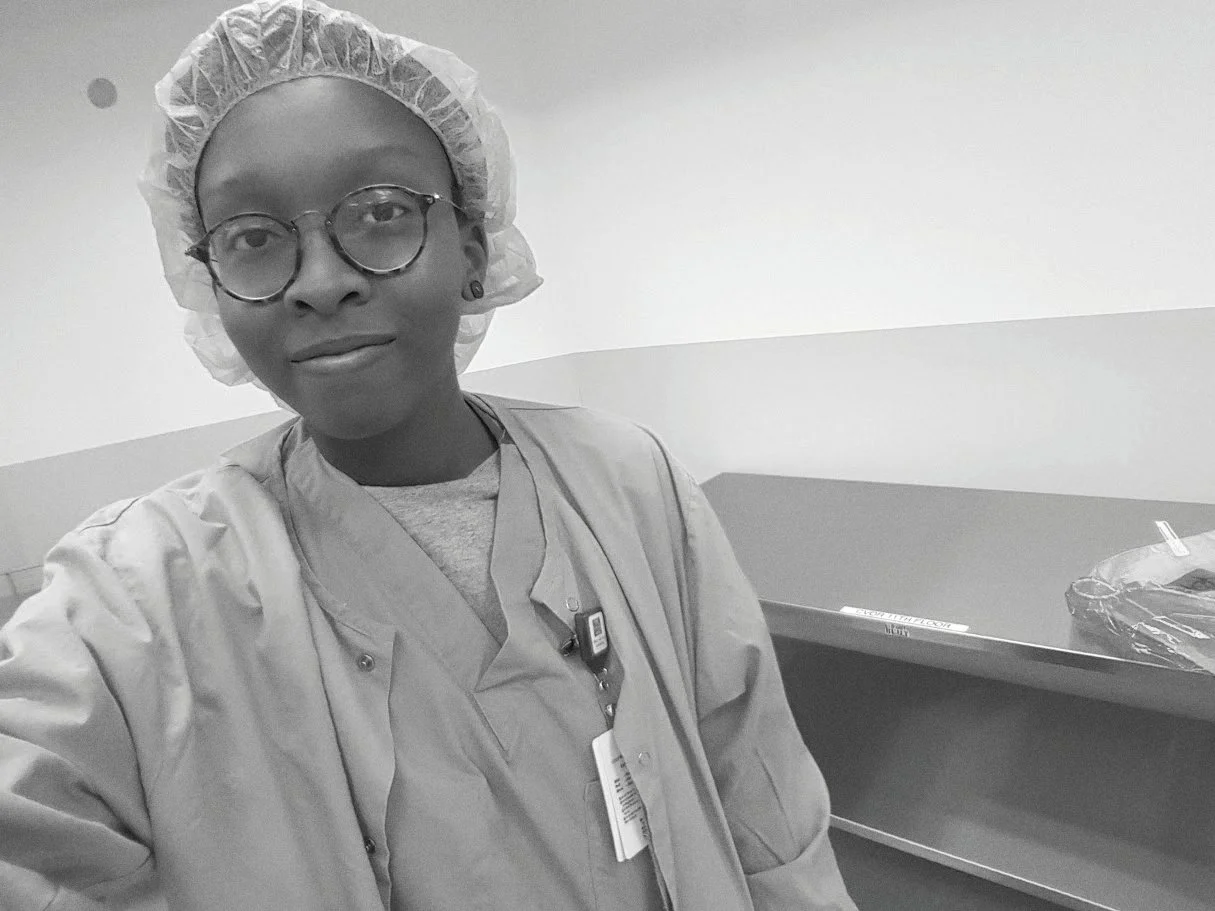
2016
I spent the beginning of my career working in Pulmonology alongside physicians who were doing wonderful things. Intelligent people. Technically exceptional. Deeply committed.
And somehow, disconnected from why they started.
I noticed it because I was paying attention to something different than most people in that environment. I wasn't watching what they did. I was watching what moved them — and what happened when that movement went quiet.
Then I became the patient.
I have Ehlers-Danlos Syndrome, a genetic connective tissue disorder that had been running through my family for years before anyone connected the dots. My younger sisters with unexplained symptoms. My mother with health problems that seemed unrelated to each other. Relatives with causes of death that never quite made sense.
I spent a long time bedridden — chronic pain, insomnia until five in the morning, a body that screamed with every step. I didn't realize I'd been living life on hard mode until I finally wasn't.
What changed everything wasn't the science alone. It was the doctors who came into the room carrying something personal. A family member's illness that had reshaped how they listened. A cultural background that gave them a way of seeing the whole person, not just the chart.
A specific moment when something they loved made them understand what their patients needed and what the system was failing to provide.
Those doctors found the diagnosis and treatments that changed my life. And my family's.
That's when I understood: the love behind the innovation is what made it possible. And that love is almost never preserved.
Medical journals capture data. Biographies capture timelines. Patient testimonials capture impact.
But nobody captures the love.
The family illness that quietly shaped every clinical decision. The cultural wisdom that Western medicine dismissed until one person decided to return to it. The 5 AM moment when a physician understood something they couldn't yet name, and started building something the world didn't have yet.
That is the foundation.
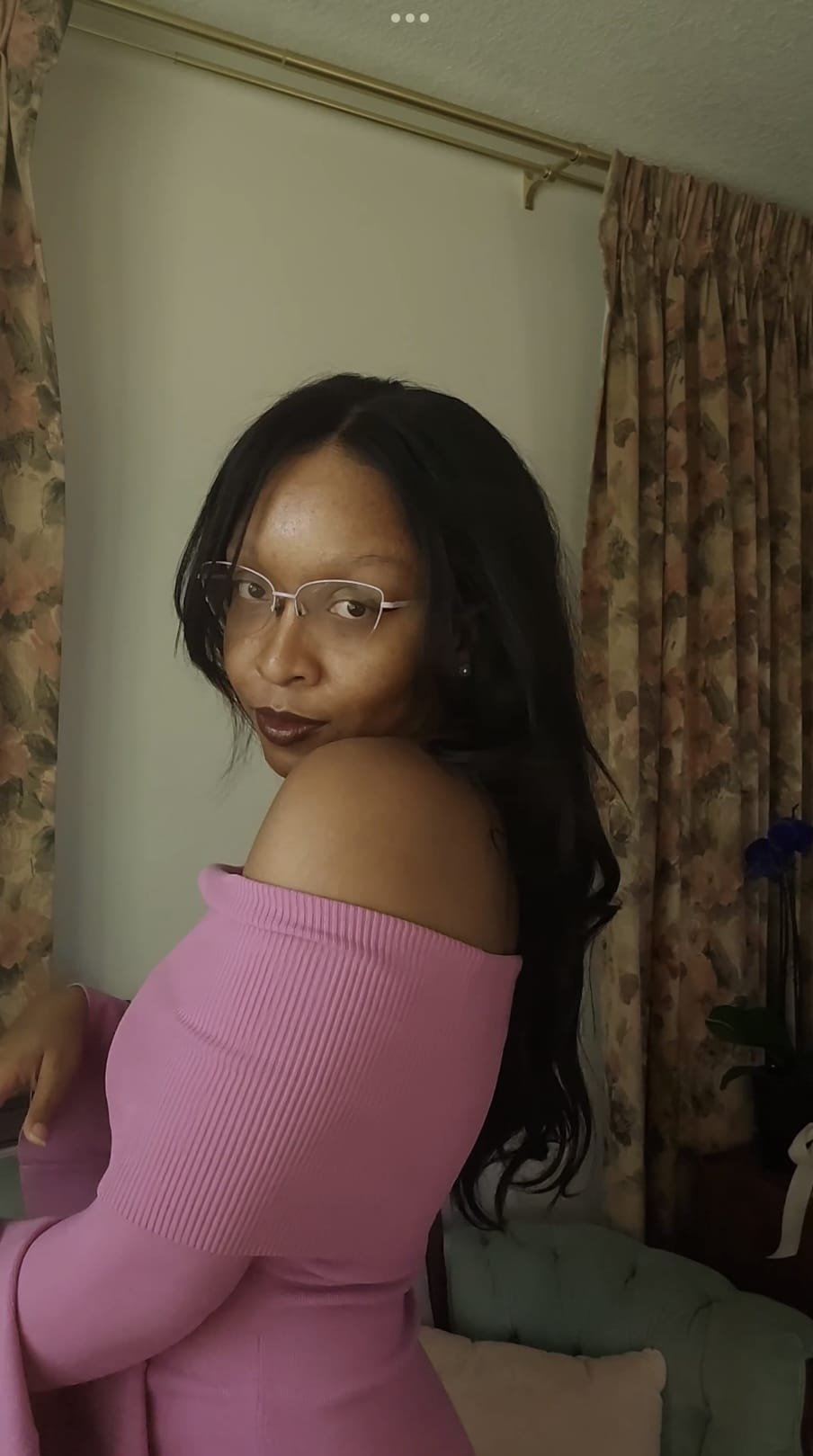
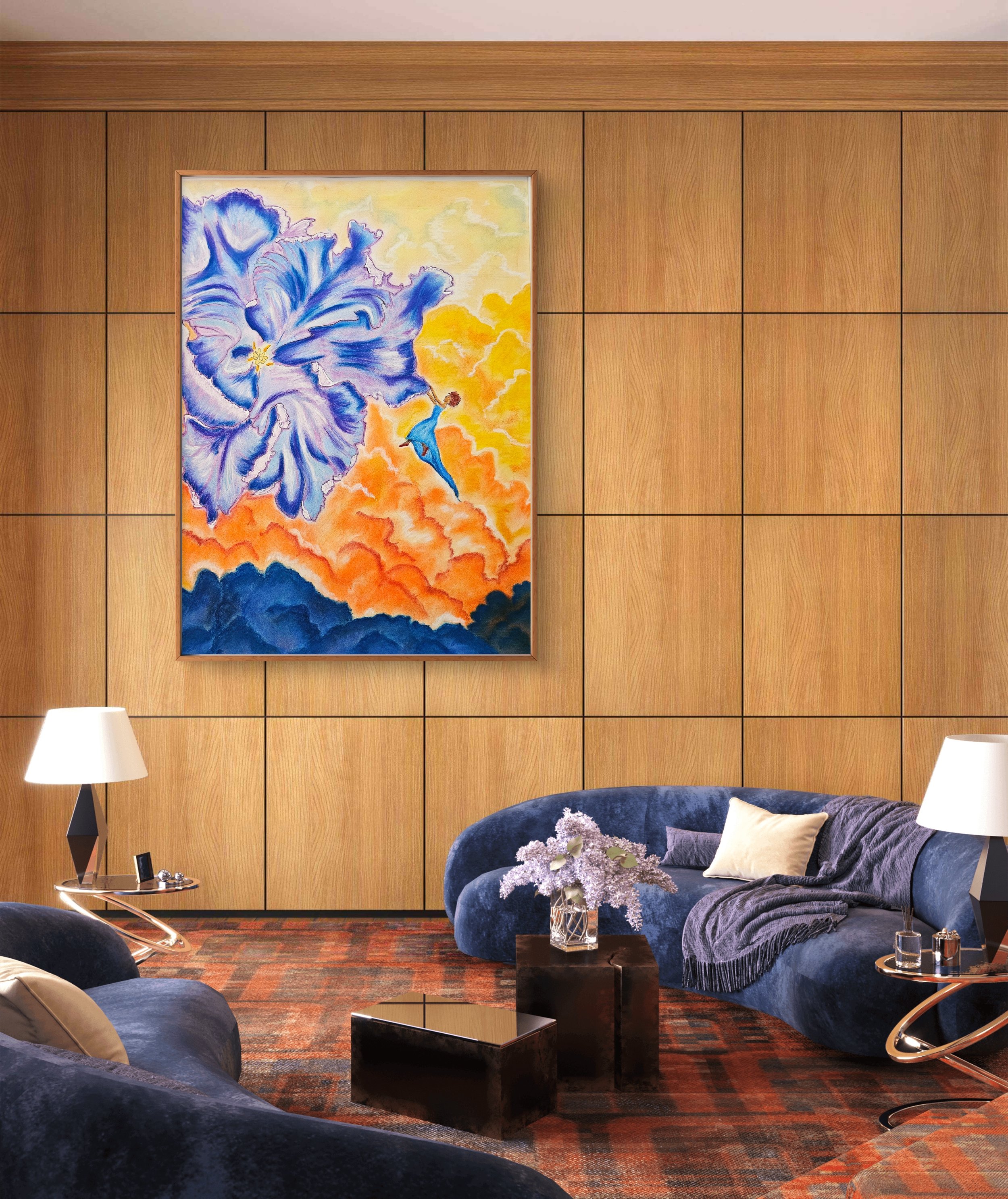
I am a visual artist and creative director.
I grew up in a Haitian family where visual language wasn't decoration — it was how my artistic mother expressed who she was, what she valued, what she came from. She even designed her own clothes. My sisters and I still wear pieces from her closet twenty-plus years later. They hold moments that we’ve never forgotten.
That creativity carried me through my career in medicine, and then through years of being bedridden and undiagnosed — reaching for my journal and ink at five in the morning because I had nothing else.
As I started sharing that work, something happened that I didn't expect. A physician with the same genetic condition I have collected one of my pieces. She saw something powerful in it. And she just knew it was hers.
Other people found my work before they found any medical information about their conditions. They felt something first. Then they read the story. Then they realized the struggle they were living wasn't in their heads — it was pointing them somewhere.
That's what visual language can do. It reaches people that research never could. Not only because it's beautiful, but because it carries the human truth underneath the work.
I realized then that I could do something that would have a bigger impact than my own story. I could take the same ability I used to connect my family's health struggles into one clear diagnosis — the pattern recognition, the cultural fluency, the medical literacy, the artist's eye — and use it to preserve the deeper legacy of medical innovators.
That is the gift I get to not only share with those I work with, but the world.
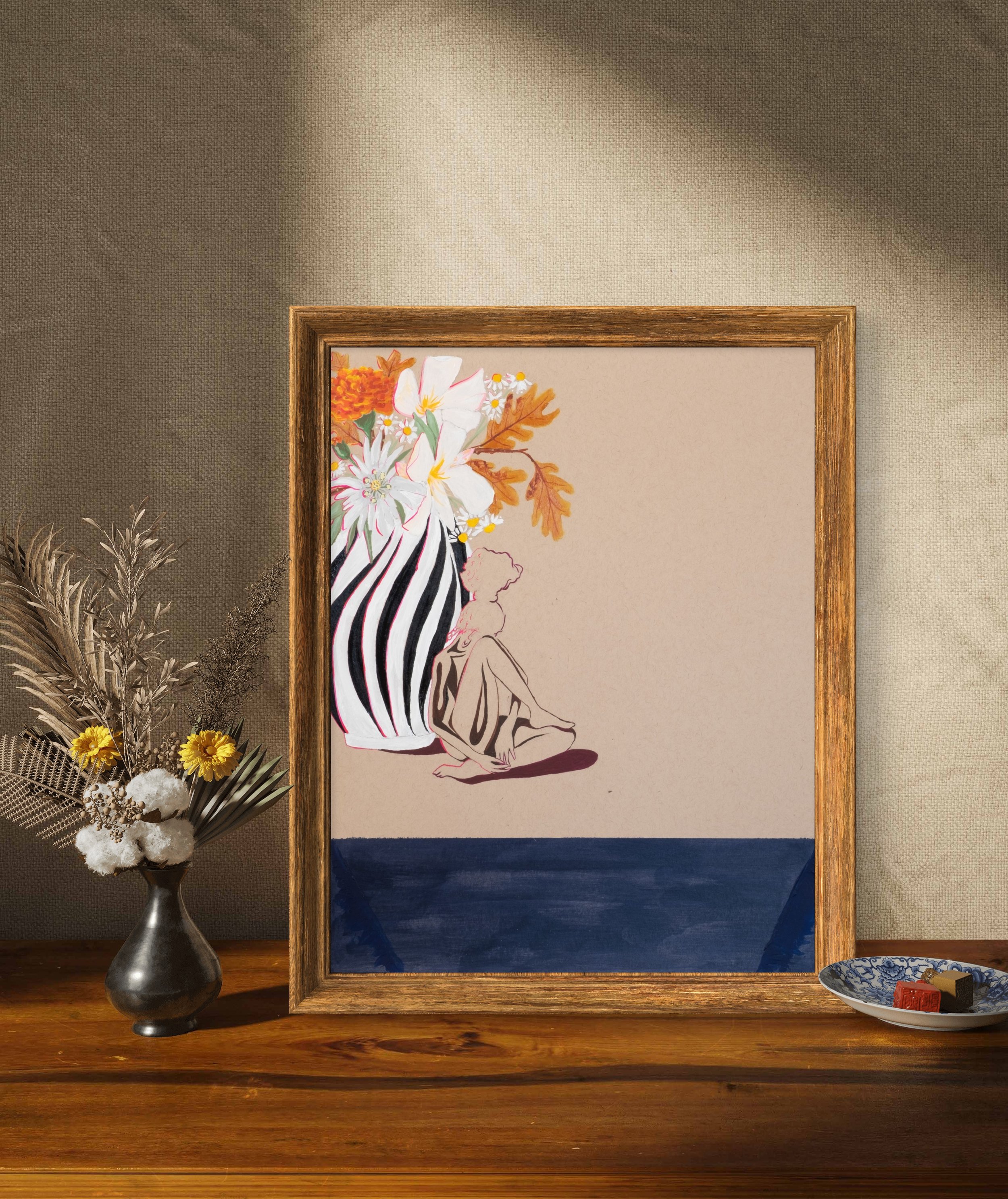
The innovators I work with have built impactful businesses. They've earned recognition. Their methods are being taught, their research is being cited, their patients adore them.
But there's a question underneath all of it that doesn't have a thorough answer yet.
*Does anyone actually understand why I was the one who had to do this?*
Not what they built. Why they — at the deepest level — were the only ones who could have built it.
That question lives in the space between the awards and the actual story. Between the methodology and the moment it became necessary. Between the professional legacy and the love that drove it.
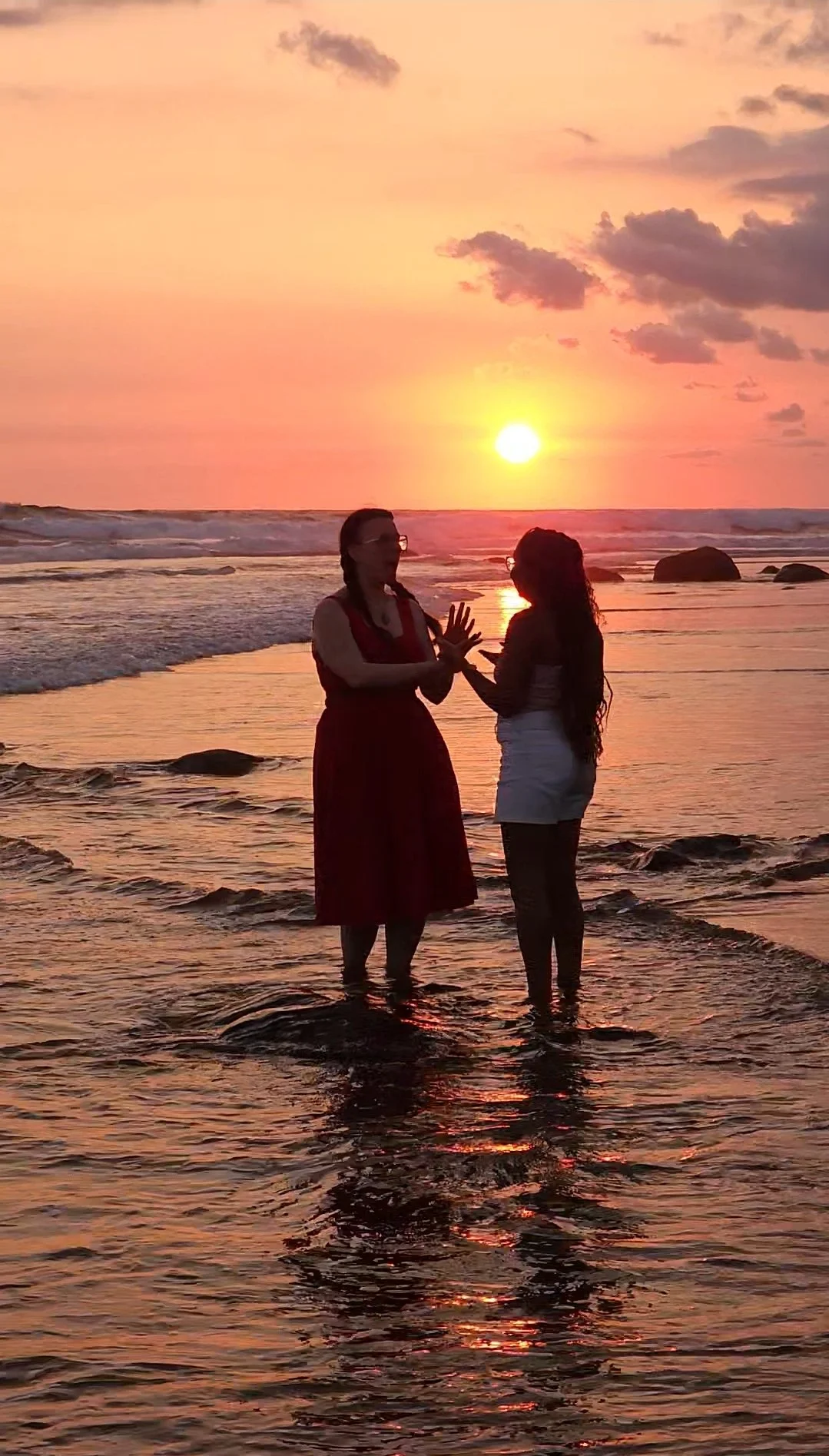
The work I do starts there.
Through deep conversation, I find the one clear line that connects the personal healing story, the cultural background, and the professional breakthrough. They're never separate. They never were. But most people have never seen them laid out together in a way that makes that visible.
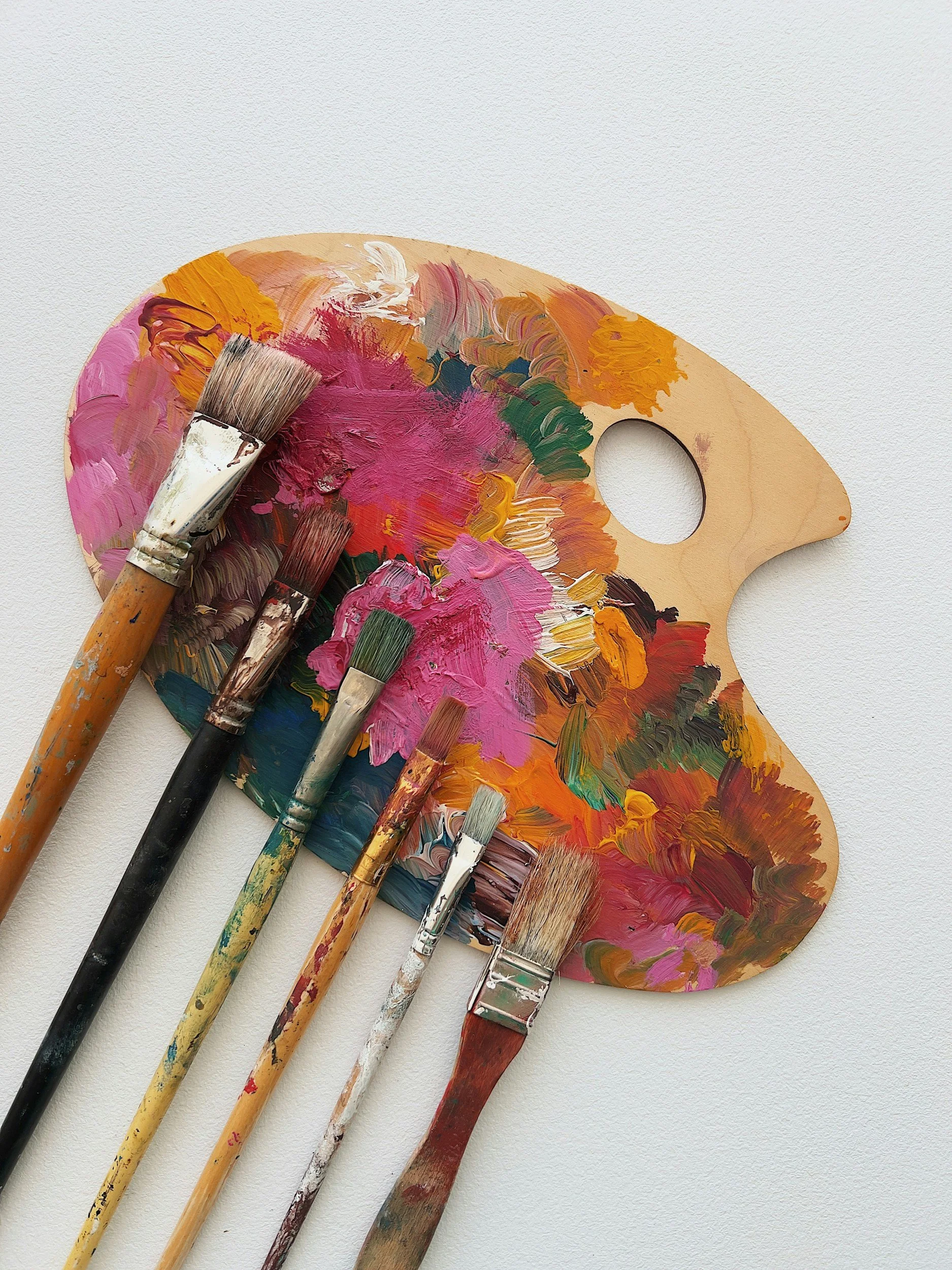
Then I translate what we've found into a visual language — colors, shapes, and symbols chosen using principles of neuroaesthetics, designed specifically for how your brain processes meaning and emotion. To enhance how you experience the world. To teach others to care on the level that you do.
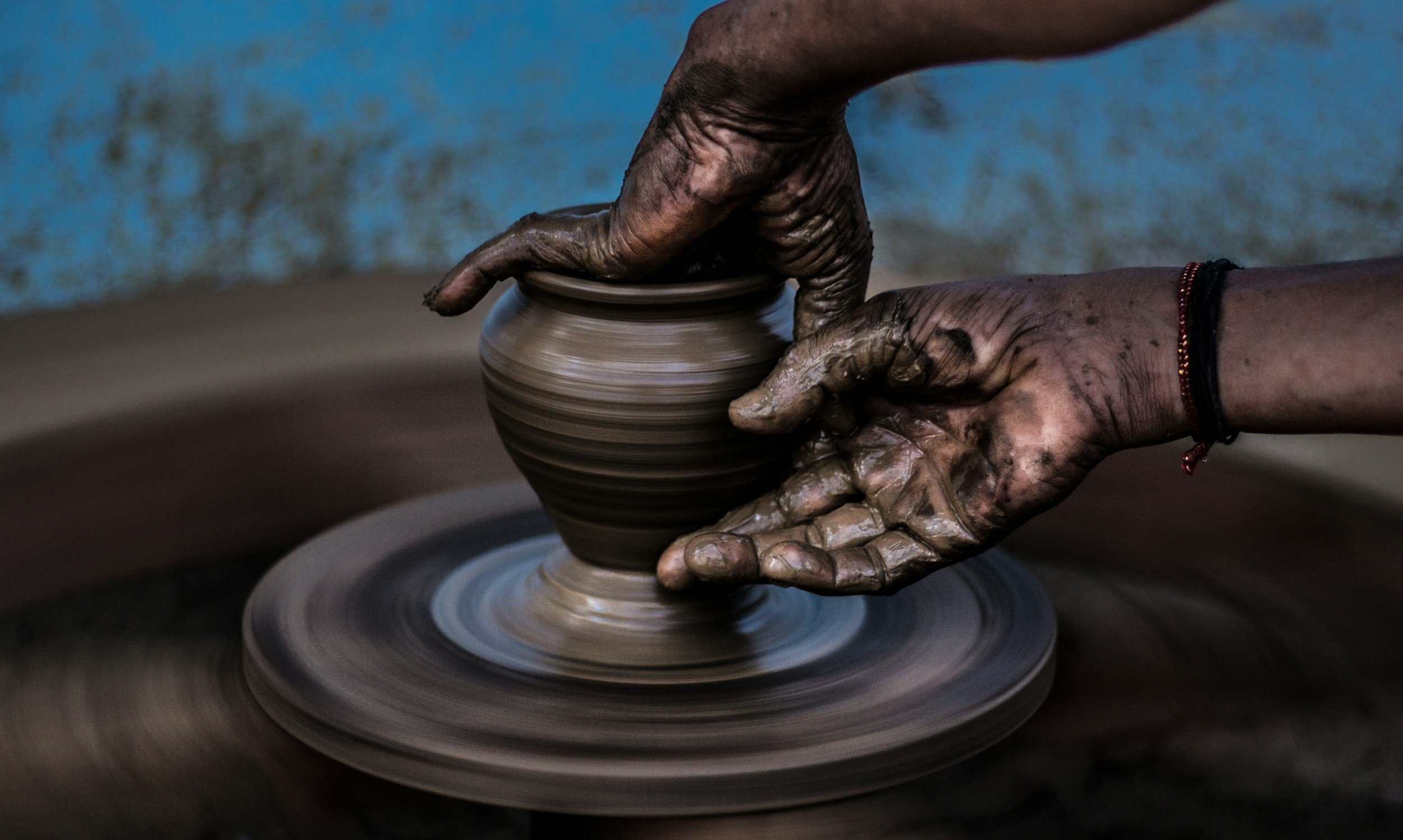
Then, through collaboration with master artists, that visual language becomes museum-quality heirloom work. Pieces that belong in cultural institutions. In medical schools. Passed down in your family. Pieces that someone discovers in a museum a hundred years from now and feels something they can't explain — and follows it somewhere they didn't know they could go.
That's generational influence. And it's entirely different from anything that gets built through content, speaking, or professional recognition.
It's not a legacy project in the sense of "let's gather your accomplishments and frame them well."
And it's not for the medical innovator who is still finding their voice — still focused on what they want to say, how they would say it, and where it would be said. That's important work. This conversation isn't for that moment.
There's something worth saying about what this is not.
It's for the medical innovator who has already built something incredible, and can now sit with a different question. One that doesn't have a standard answer. One that has to do with being truly understood — not just respected — and with ensuring that the love behind everything they created doesn't disappear when they're no longer here to explain it.
The people I've worked with may have given a hundred interviews about what they built. This work is about being understood for why they built it, in a language that is universal.
I work with three to five medical innovators annually. This work requires full presence — mine and theirs. Every story I take on receives the kind of attention that makes it possible to see what's actually there, not just what's easy to find.
If you received something from me — a letter, a card, an email — and you're here now, that's not a coincidence. Something in what I shared felt specific to you. Because it was.
The first step is a genuine exploration of your story, what you've built, what you carry — and how this work can expand not only your life, but the generations that come after you.
If it's for you, you'll know. If it isn't, that's okay too. Not every story is ready to be preserved. Not every person is ready to be fully seen.
But if you are ready, fill out the form below or respond to the invitation I sent you. I’m looking forward to meeting you.